

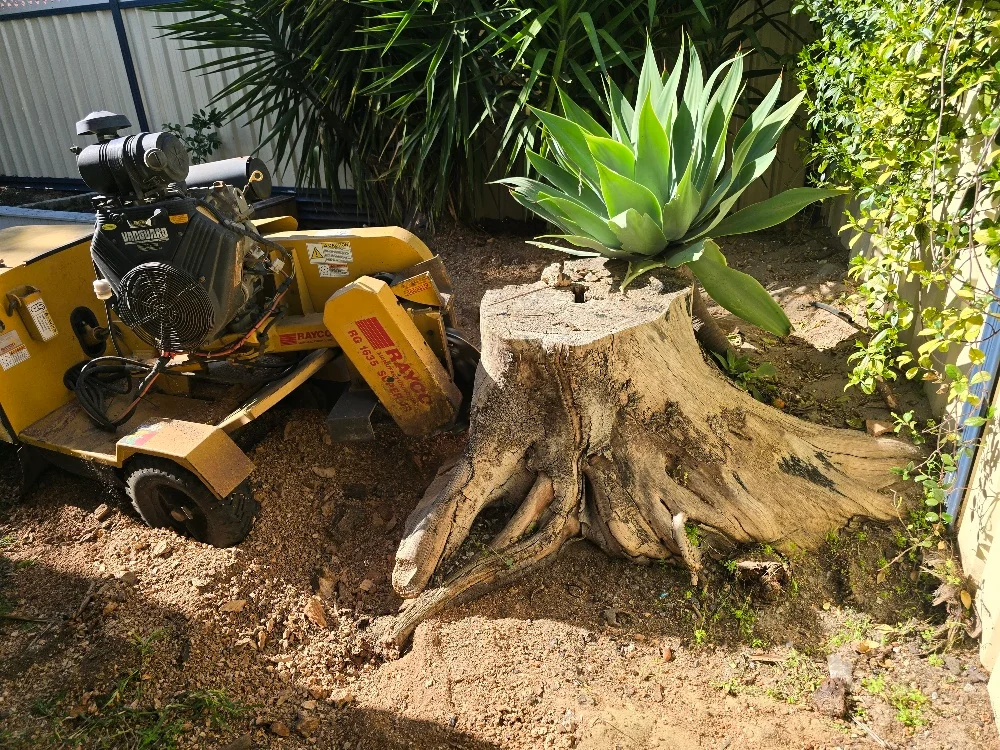
The details vary by access, stump size, and what sits nearby, but the overall process is predictable once they arrive on site.
What happens when they first arrive on site?
They will start by confirming access, identifying the stump to be removed, and checking what is around it. A stump grinding service will usually walk the area, measure the stump, and note nearby fences, pipes, garden edges, and any slope.
They may also ask where the green waste should go and whether the client wants the grindings left on site or removed.
How do they check for underground services and hidden risks?
They will look for clues like irrigation lines, stormwater pits, electrical conduits, and gas meter locations, then choose a safe approach. In Australia, they will often ask whether there are known services running near the stump, especially in newer estates with reticulation and drainage.
If the stump sits close to unknown utilities, they may recommend a cautious grind depth or a different plan to reduce risk.
What information should the client have ready before they start?
They will work faster if they know the stump species (if known), the approximate age of removal, and whether the stump has been previously cut below ground level. A stump grinding service will also benefit from clear instructions on boundaries, strata rules, or council requirements if the property is managed.
It helps if the area is cleared of toys, pot plants, rocks, and loose timber before they arrive.
How do they prepare the area before grinding begins?
They will set up the machine, position it for stability, and create a safe work zone. Many operators will use guards or screens to manage flying debris, particularly in small backyards common in Sydney, Melbourne, and Brisbane.
They may ask neighbours to keep kids and pets inside for a short period, especially if the stump is near a shared fence.
What safety steps should be expected during the job?
They will wear PPE such as eye and ear protection, gloves, and boots, and they will keep bystanders clear. A professional stump grinding service will also check that the grinder is stable, the cutting wheel is in good order, and the work area is controlled.
If access is tight, they may move slowly and reposition often rather than forcing the machine into a risky angle.
What equipment do they typically use in Australian residential jobs?
They commonly use a dedicated stump grinder, either a compact tracked model for backyard access or a larger wheeled unit for front-yard stumps. A stump grinding service may also bring blowers, rakes, shovels, and a trailer if removal of grindings is included.
For properties with steps, narrow side passages, or soft ground, they may choose lighter equipment to avoid damage.
How does the actual stump grinding process work?
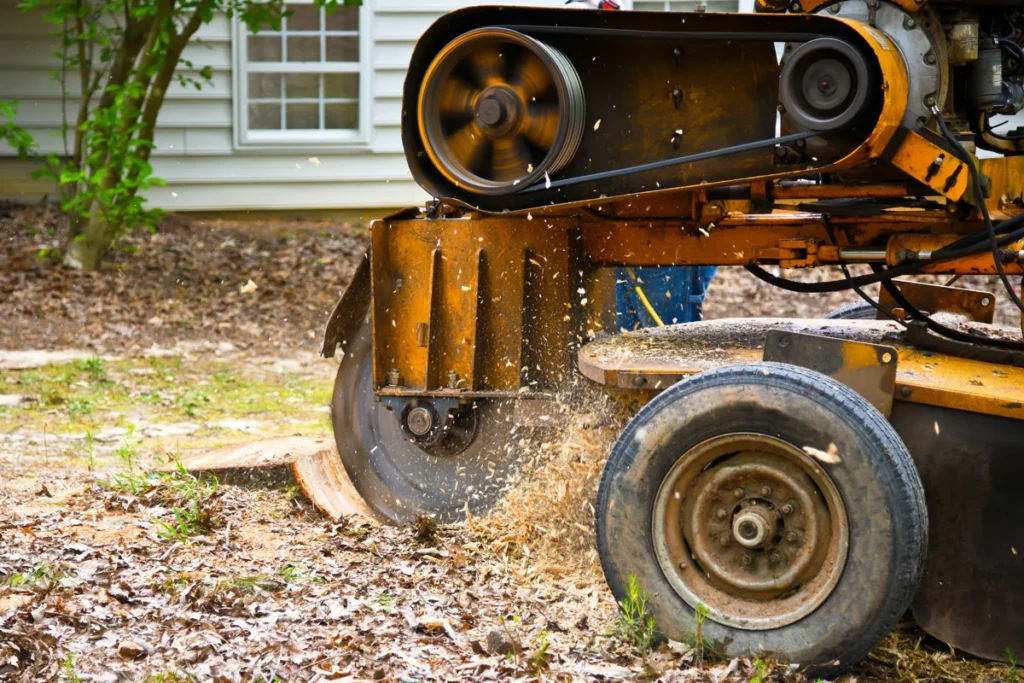
They will sweep the cutting wheel side to side, shaving the stump down in layers until it is below the surface. A stump grinding service typically targets a depth that suits the plan for the area, such as turf laying, garden beds, or light landscaping.
As they grind, the stump turns into woodchip-like material mixed with soil, which they will manage depending on what the client requested.
How deep will they grind the stump?
They will grind to a depth that matches intended use, commonly below ground level so the surface can be reinstated. For lawns, they often go deep enough to allow topsoil and turf to sit without a hump forming later.
If the client plans to pour a slab or install paving, they may grind deeper or advise additional excavation for a clean base.
How long should the visit take?
They can often complete a straightforward stump in under an hour, but larger stumps, multiple stumps, or difficult access can push the job longer. A stump grinding service will also take extra time if the stump is close to retaining walls, pipes, or delicate garden edges.
Wet ground after heavy rain, which is common in parts of coastal NSW and QLD, can also slow set-up and machine movement.
What mess and noise should they expect during grinding?
They should expect noise similar to other petrol-powered garden machinery and a short burst of flying chips. A stump grinding service will usually control the direction of debris, but some dust and chips can spread, especially in dry conditions.
If the client has nearby windows, outdoor furniture, or a pool area, it is sensible to close up or cover items before the appointment.
What happens to the woodchips and grindings afterwards?
They will either leave the grindings in a mound, rake them into a garden bed, or load and remove them if that option is booked. Many Australian clients choose to keep some chips as mulch, but it is worth knowing stump grindings can settle as they break down.
If the client wants turf immediately, they may ask for excess grindings to be removed and the hole backfilled with clean soil.
Will they clean up before they leave?
They should, within the scope agreed in the quote. A stump grinding service will usually rake and blow down the area, then leave it safe to walk on, even if the ground still needs levelling or soil added.
If full removal and reinstatement is included, they may also top up soil, spread the grindings where requested, and take waste away.
Can they grind stumps close to fences, walls, or pools?
They often can, but they will adjust the approach and may not grind as deep right up against a structure. Tight boundary work is common in Australian backyards, so they may use smaller equipment or grind from multiple angles to protect fences and edging.
If there is a risk of damage, they should explain the limitation before starting and outline a safer alternative.
What if the stump is in a hard-to-reach backyard?
They will assess access width, steps, gates, and surface type, then confirm whether the grinder can fit. Many properties in older suburbs have narrow side access, so a compact machine is often the difference between a simple job and a complex one.
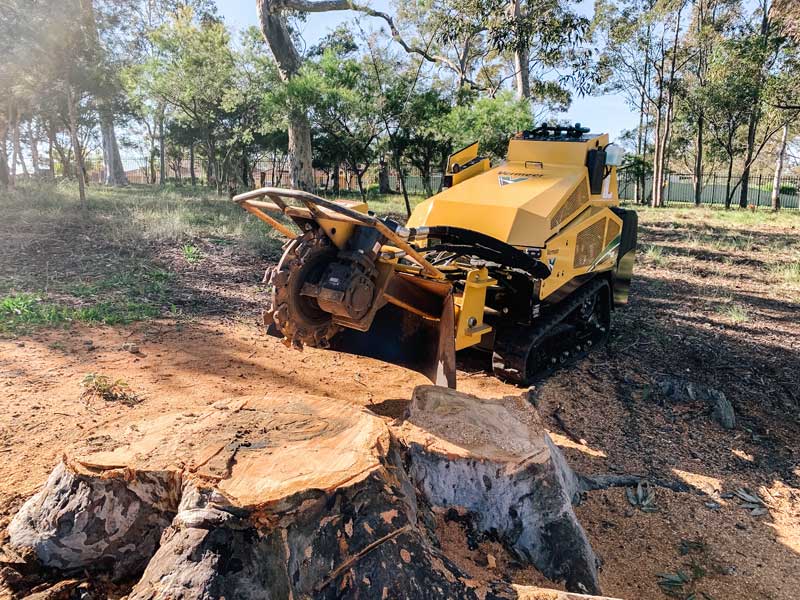
If access is too tight, they may offer options like partial grinding, hand excavation, or arranging temporary access through a neighbour with permission.
What should they expect if there are multiple stumps?
They will usually work through them in an efficient order based on access and machine positioning. A stump grinding service may also offer a better rate per stump when several are done in one visit, since set-up time is shared.
They should expect the overall clean-up to take longer, particularly if chips are being removed rather than left on site.
What are common reasons they might change the plan on the day?
They might find rocks, metal, old concrete, or embedded roots that were not visible in photos. A stump grinding service may also encounter bee activity, termite damage, or unexpected irrigation lines that require a safer grind depth.
In those cases, they should pause, explain what they found, and confirm any price or scope change before continuing.
What happens after the stump is gone and the area settles?
They should expect some settling over the next few weeks as the chips decompose and the soil compacts, especially after rain. If the area is being turfed or landscaped, topping up with soil later is common to keep the surface level.
If they are replanting, they may choose to remove some grindings and use fresh soil, since decomposing wood can temporarily affect how nitrogen is available to new plants.
How can they prepare the yard so the job runs smoothly?
They can clear access, unlock gates, and move cars away from driveways if the machine and trailer need space. A stump grinding service will also appreciate it if they know where pets will be kept and which parts of the garden must not be disturbed.
If they are in a townhouse or strata property, confirming booking times and access permissions in advance avoids delays.
What should they ask when booking a stump grinding service?
They should ask what is included, what depth will be achieved, and whether removal of grindings is part of the quote. They can also ask how access affects pricing, whether the operator is insured, and what the expected clean-up looks like.
A reliable stump grinding service will answer clearly, explain any limitations, and confirm the plan in writing so there are no surprises on the day.
FAQs (Frequently Asked Questions)
What is the process when a stump grinding service first arrives on site?
Upon arrival, the stump grinding service confirms access, identifies the stump to be removed, and assesses the surrounding area. They walk the site, measure the stump, note nearby fences, pipes, garden edges, and slopes. They also discuss with the client where green waste should go and whether grindings are to be left onsite or removed.
How do stump grinding professionals check for underground utilities and hidden risks?
They look for visible clues such as irrigation lines, stormwater pits, electrical conduits, and gas meter locations. In Australia, they often ask about known underground services near the stump, especially in newer estates with reticulation and drainage systems. If utilities are close by, they may recommend a cautious grinding depth or alternative plans to minimize risk.
What information should clients provide before stump grinding begins?
Clients should share details like the tree species if known, approximate age of removal, and whether the stump has been previously cut below ground level. Clear instructions regarding property boundaries, strata rules, or council requirements are helpful. Also, clearing the area of toys, pot plants, rocks, and loose timber before arrival facilitates a faster job.
What safety measures are taken during stump grinding?
Operators wear personal protective equipment including eye and ear protection, gloves, and boots. They maintain a controlled work area keeping bystanders clear. The grinder’s stability and cutting wheel condition are checked regularly. In tight spaces, operators move slowly and reposition frequently to avoid risky angles.
How deep will a professional stump grinding service grind the stump?
Grinding depth depends on the intended use of the area post-removal. Typically, stumps are ground below ground level to allow for turf laying or garden beds without surface humps. For paving or slab installation, deeper grinding or additional excavation may be advised to ensure a clean base.
What happens to woodchips and grindings after stump removal?
Woodchips created during grinding can be left in a mound onsite, raked into garden beds as mulch, or removed if that service is booked. Many Australian clients opt to keep some chips as mulch but should note that grindings settle over time. If immediate turf laying is planned, excess grindings may be removed and replaced with clean soil for optimal results.