
This guide explains how they can pick the right local professional, what to ask, what to avoid, and how to compare quotes without getting upsold.
What does a local arborist actually do when pruning a tree?
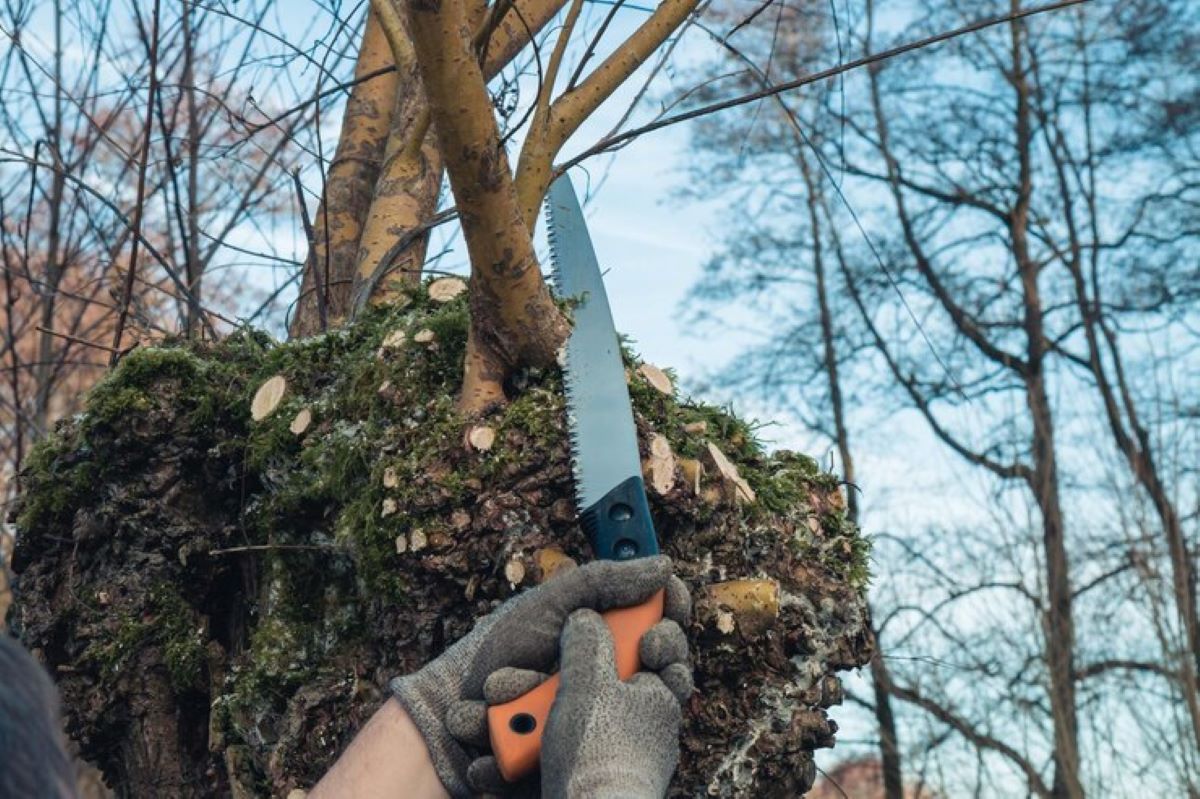
They remove branches using proper pruning cuts that protect the tree’s structure and health, which is why many homeowners search for tree pruning near me to find skilled professionals. In the first visit, a good arborist identifies the species, checks for defects, and explains what the tree needs and why.
Their goal is usually clearance, risk reduction, improved structure, and long-term health—not aggressive “shaping” that stresses the tree.
When should they search “tree pruning near me” instead of waiting?
They should book sooner if limbs overhang the home, touch power lines, block road visibility, or show cracking. They should also act if a tree is suddenly leaning, has dead tops, or drops large branches.
If the tree is healthy and only needs routine maintenance, timing can be flexible. Many arborists prefer pruning outside peak stress periods, depending on species and local climate.
How can they tell if an arborist is qualified and insured?
They should ask for proof of liability insurance and workers’ compensation before work starts. If there is an accident and coverage is missing, the homeowner can be exposed.
They should also look for professional credentials, such as ISA Certified Arborist, and membership in reputable industry organizations. Credentials do not guarantee quality, but they reduce the odds of hiring someone who only does removals.
What questions should they ask before booking tree pruning?
They should ask what pruning standard the crew follows and what cuts they plan to make. A solid answer mentions structural pruning, deadwood removal, clearance, and avoiding topping.
They should also ask:
- Who will be on-site and who makes cut decisions?
- Will they provide a written scope of work and cleanup details?
- How will they protect lawns, fences, and nearby plants?
- Can they share recent local references for pruning jobs?
What are the red flags that suggest they should not hire that “near me” company?
They should avoid anyone who recommends topping or “lion tailing” as a default. These practices often cause weak regrowth, sunscald, and higher failure risk.
Other red flags include door-to-door storm sales, cash-only demands, refusal to show insurance, vague quotes, and pressure tactics like “today-only pricing.” If they cannot explain why a branch should be removed, they are guessing. For official guidance, see tree management information and responsibilities from local council resources to better understand proper tree care standards.
How should they compare quotes without choosing the cheapest mistake?
They should compare scopes, not just prices. One quote might include proper thinning and structural cuts, while another is just a fast trim that creates future problems.
They should ensure each quote lists:
- Exact trees to be pruned and the objectives per tree
- What will be removed (deadwood size thresholds, clearance height, limbs over structures)
- Disposal and cleanup (chips hauled away or left, stump and log handling if applicable)
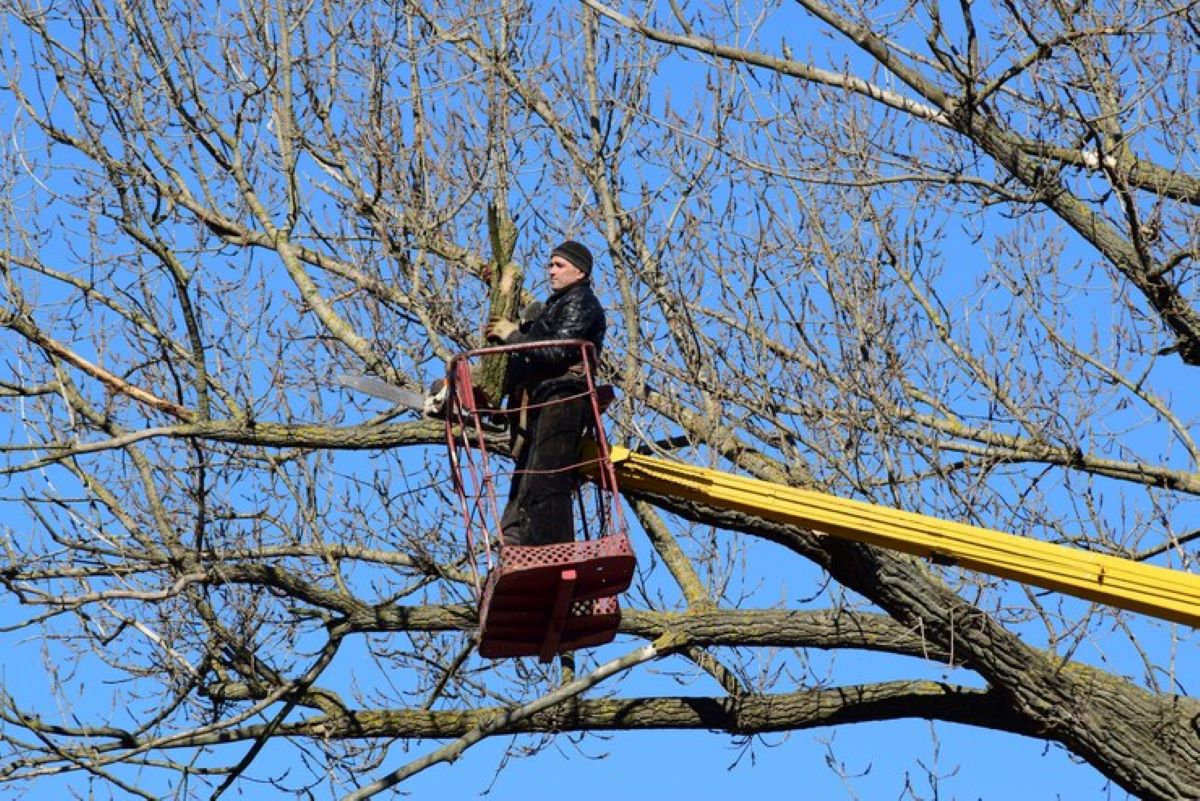
- Equipment access needs (bucket truck, climber, crane) and property protections
What should they expect tree pruning to cost locally?
Pricing depends on tree size, access, complexity, and risk. A small ornamental tree with easy access costs far less than a large mature tree over a roof.
They should expect higher pricing if there are power lines, tight backyards, decay, or the need for a bucket truck or crane. A trustworthy arborist explains the factors clearly rather than giving a number with no reasoning.
How can they make sure the pruning is done correctly on the day?
They should confirm the crew leader is the person they met or spoke with. Before cutting starts, the leader should walk the plan with them and point out key limbs.
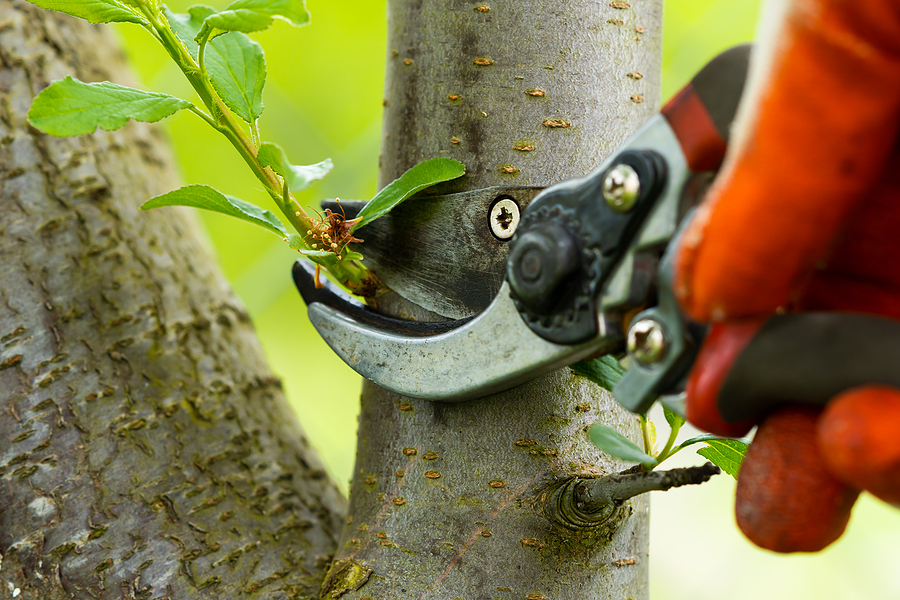
During the job, good signs include controlled rigging, clean cuts at the right collar, and selective removal rather than stripping the interior. Afterward, the canopy should look natural, not “poodled,” and the tree should still have a balanced structure.
What should they do after pruning to protect the tree?
They should not paint wounds unless a local pest issue specifically warrants it and the arborist recommends it. Most trees seal naturally, and wound paint can trap moisture.
They should monitor the tree for stress, water during dry periods, and avoid piling mulch against the trunk. If the arborist noted defects or decay, they should schedule follow-up inspections rather than waiting for the next storm.
How do they choose the right local arborist quickly?
They should shortlist two or three companies with verifiable insurance, strong local reviews, and clear pruning-focused messaging. Then they should pick the one who provides the clearest written scope, answers questions directly, and avoids harmful shortcuts.
When they search “tree pruning near me,” the best choice is usually the professional who treats pruning as tree care, not just branch removal.
Related : Palm Tree Removal Sydney: Why Are Palms More Complex to Remove?
FAQs (Frequently Asked Questions)
What does a local arborist do when pruning a tree?
A local arborist removes branches using pruning cuts that protect the tree’s structure and health. They identify the species, check for defects, and explain the tree’s needs. Their goal is clearance, risk reduction, improved structure, and long-term health—not aggressive shaping that stresses the tree.
When should I search ‘tree pruning near me’ for urgent pruning needs?
You should book tree pruning promptly if limbs overhang your home, touch power lines, block road visibility, show cracking, if the tree is leaning suddenly, has dead tops, or drops large branches. For routine maintenance on healthy trees, timing can be flexible depending on species and local climate.
How can I verify if an arborist is qualified and insured?
Ask for proof of liability insurance and workers’ compensation before work starts to avoid homeowner liability. Look for credentials like ISA Certified Arborist and membership in reputable industry organizations. These reduce risks but don’t guarantee quality.
What questions should I ask before booking a tree pruning service?
Ask about the pruning standards followed and specific cuts planned—expect mention of structural pruning, deadwood removal, clearance, and avoidance of topping. Also inquire who will be onsite and making cut decisions, request a written scope of work and cleanup details, ask how they protect property during work, and request recent local references.
What are red flags to avoid when hiring a ‘tree pruning near me’ company?
Avoid companies recommending topping or lion tailing by default as these harm tree health. Be cautious of door-to-door storm sales, cash-only payments, refusal to show insurance, vague quotes, pressure tactics like ‘today-only pricing,’ or inability to explain why branches need removal.
How do I compare tree pruning quotes without choosing the cheapest mistake?
Compare detailed scopes rather than just prices. Ensure each quote specifies which trees will be pruned with objectives per tree; what will be removed including deadwood size thresholds and clearance heights; disposal and cleanup plans; equipment access needs; and property protections. This helps avoid quick trims that cause future problems.