
Large or dangerous trees are rarely a simple “cut it down” job. In Sydney, professional tree removal services typically treat them as risk-managed projects, using planning, specialised gear, and controlled dismantling to protect people, property, and nearby vegetation.
The exact approach depends on the tree’s size, species, location, condition, and the hazards around it, such as power lines, tight access, unstable ground, or structural defects.
What makes a tree “large” or “dangerous” in the first place?
A tree is considered dangerous when its failure could realistically harm people or cause major damage. In such cases, tree removal services Sydney professionals assess risks related to height, weight, decay, storm damage, pest issues, root instability, or heavy leaning over homes, fences, roads, or neighbouring properties.
“Large” often means the canopy or trunk size is beyond what can be safely felled in one piece. In built-up parts of Sydney, the surrounding space is usually the deciding factor, not just height.
How do they assess risk before starting any cutting?
They begin with a site inspection to identify failure points, targets, and constraints. In practice, that means checking the trunk, major unions, canopy weight distribution, visible decay, cavities, deadwood, fungal signs, root plate movement, and how the tree is reacting to wind.
They also assess what could be hit if anything drops, including roofs, vehicles, sheds, glass, pools, gardens, and access ways. That assessment drives the method, crew size, and the type of rigging used.
How do they check for legal and council restrictions in Sydney?
They typically confirm whether approvals are required before removal. Sydney councils can have rules around protected species, significant trees, heritage zones, and vegetation management, and in some cases emergency works have different requirements.
Professional services usually ask for the address, tree details, and reason for removal, then advise on likely permit needs. When approvals are required, they may support documentation with photos and an arborist-style assessment summary. Learn more about the environmental impact of tree removal and how to minimize it.
Why don’t they just fell the whole tree in one go?
They avoid straight felling when there is a limited drop zone or when the tree’s condition makes an uncontrolled fall risky. Large or compromised trees can barber-chair, twist, or shed limbs unpredictably, especially in storms or after internal decay.
Instead, they generally dismantle the tree in smaller, controlled pieces, lowering sections to the ground. This reduces impact forces and helps protect roofs, fences, gardens, and nearby structures.
What equipment do they use for large or hazardous removals?
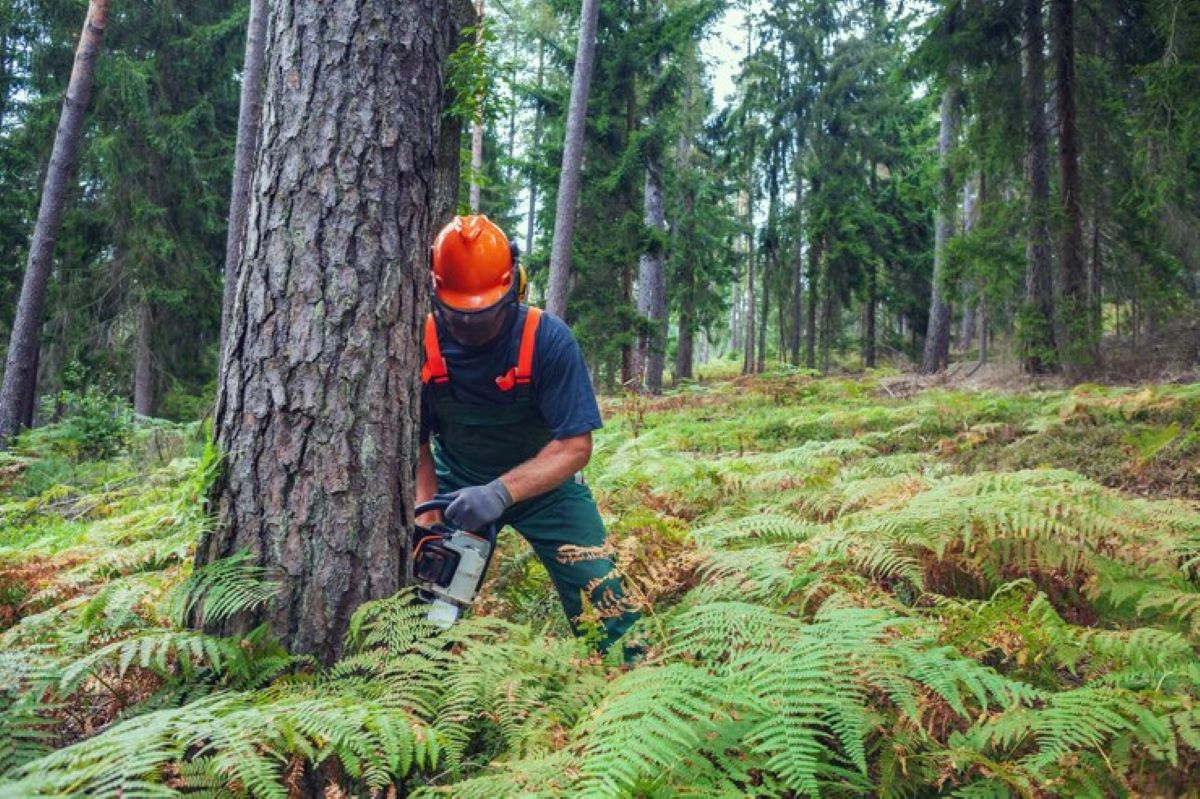
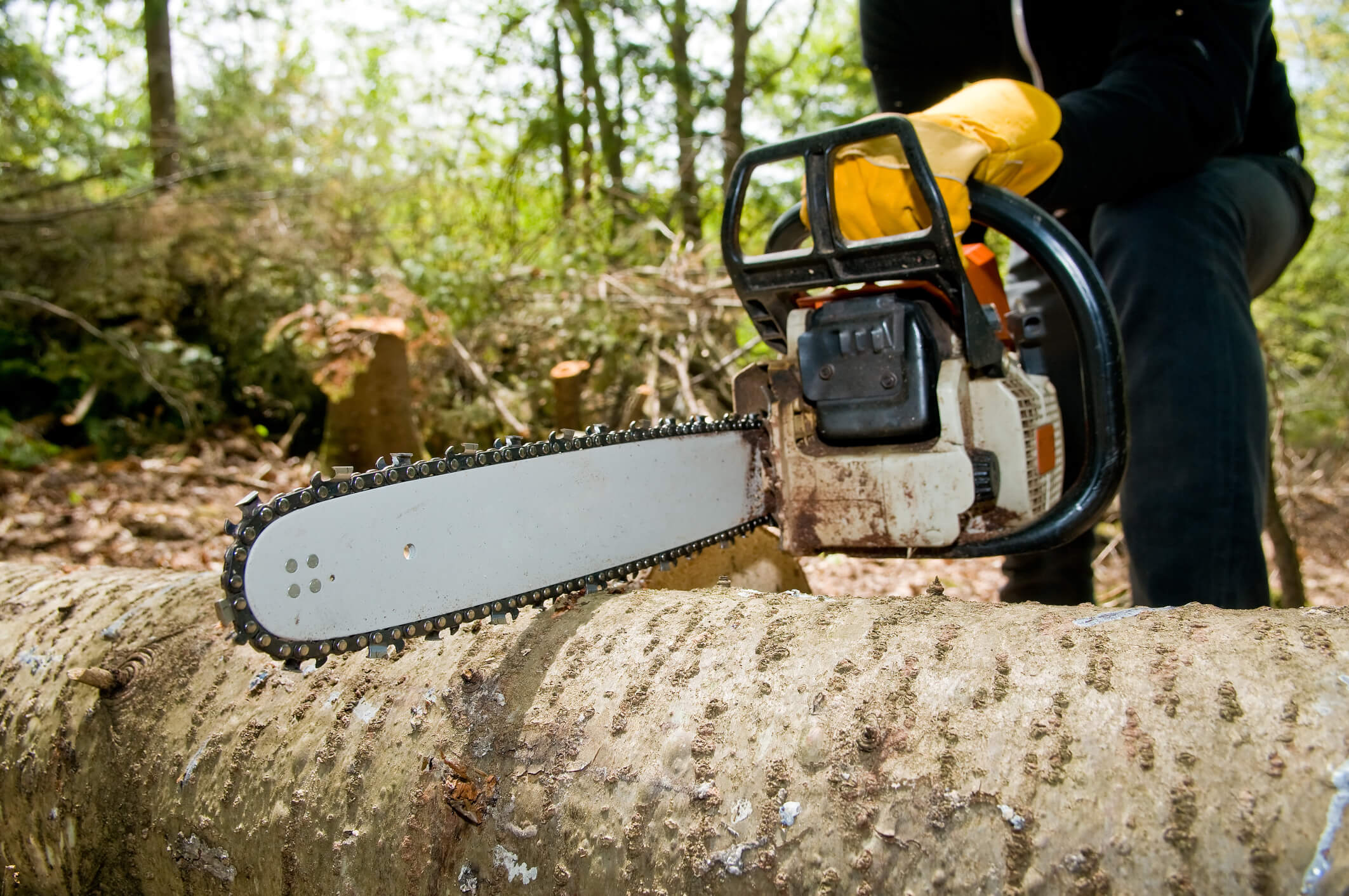
They rely on professional climbing and rigging systems rather than basic ladders or DIY chainsaws. Common equipment includes climbing ropes, harnesses, flip lines, rigging ropes, pulleys, lowering devices, friction bollards, slings, karabiners, and various saws suited to different cuts.
For ground handling and cleanup, they often use wood chippers, stump grinders, and trucks. In difficult access sites, they may use cranes, elevated work platforms, or compact loaders. You may also like to visit https://www.safeworkaustralia.gov.au/doc/guide-managing-risks-tree-work for more information on managing the risks of tree work.
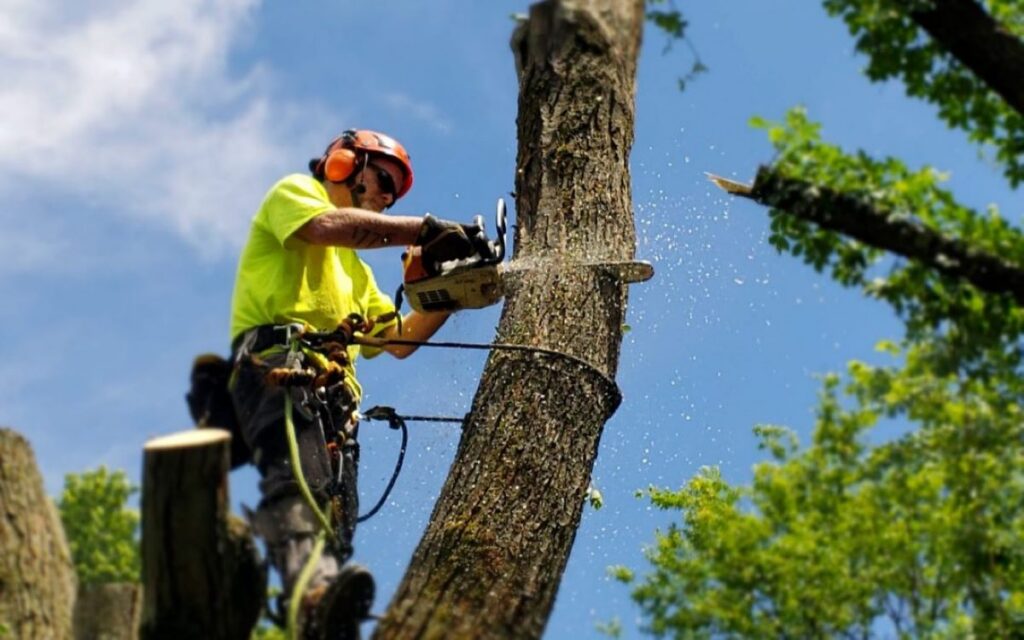
How do they safely remove a tree near homes, fences, or tight boundaries?
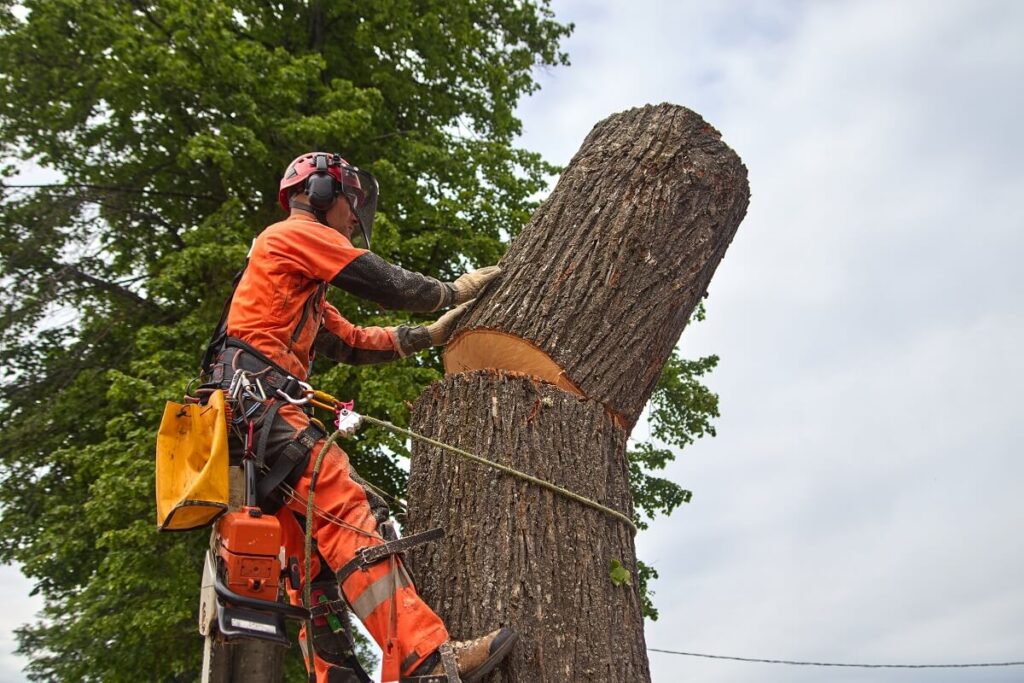
They usually use sectional dismantling with rigging, which means removing limbs and trunk segments piece by piece. Cut sections are either dropped into a safe zone when available or lowered under tension using ropes and a ground crew controlling friction.
They also set up exclusion zones and manage the “line of fire” so nobody is under suspended loads. This approach is slower than felling, but it is designed to be controlled and predictable.
How do they handle trees close to power lines?
They treat power lines as a high-risk constraint and plan around minimum clearances. In many cases, work near electrical assets requires specific authorisations, and some situations must be handled by the electricity network or appropriately accredited specialists.
Tree removal services typically avoid direct interaction with service lines unless the job is clearly within safe limits and permitted. If the risk is too high, they coordinate timing so the correct parties can isolate power or manage the hazard.
What role do cranes or elevated work platforms play?
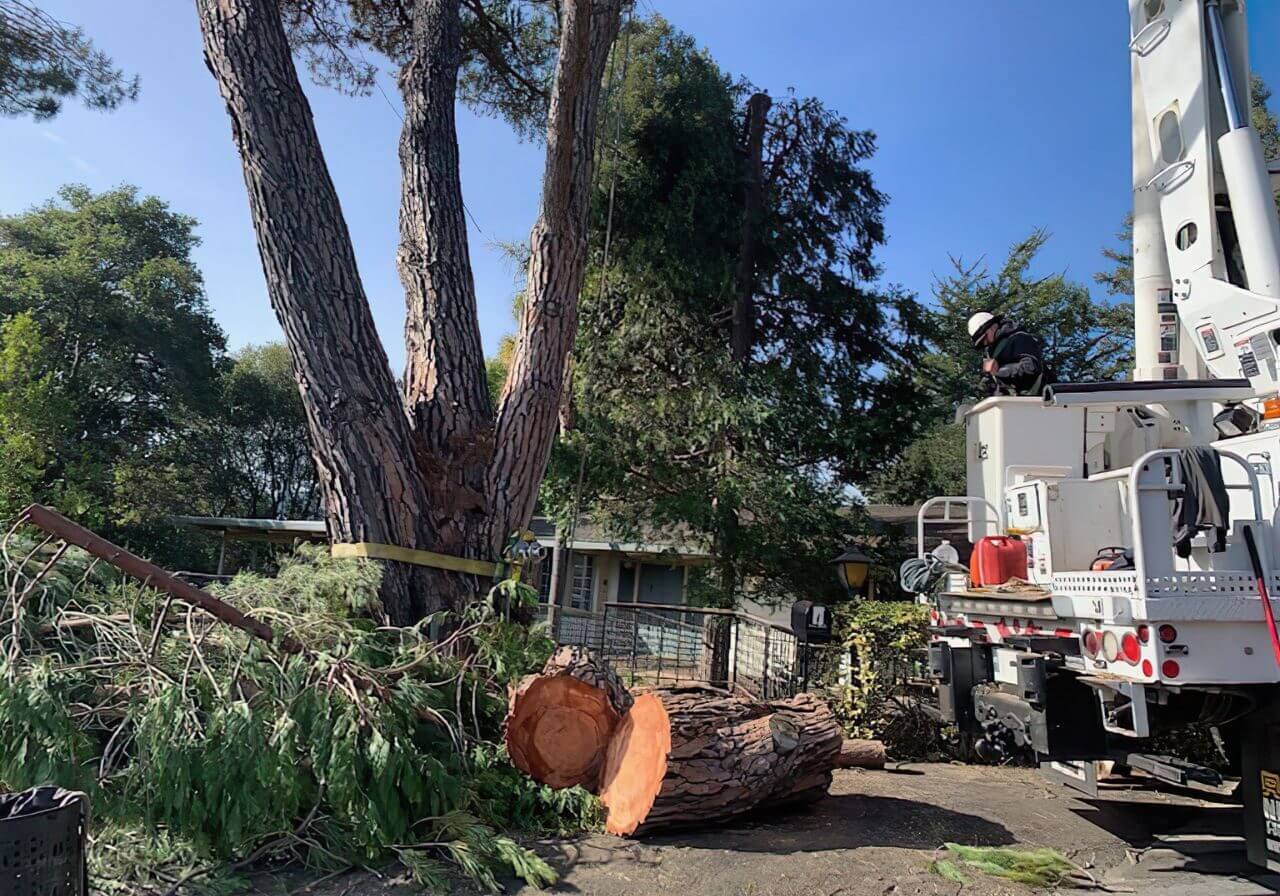
They use cranes or elevated work platforms when climbing is unsafe, access is limited, or the tree’s structure is too compromised to trust with a climber’s weight. A crane can “pick” large sections, allowing them to be lifted away without swinging into buildings.
Elevated work platforms can reduce climbing exposure and speed up limb removal in awkward canopy shapes. These options cost more, but they can be the safest choice for very large, damaged, or poorly positioned trees.
How do they control the fall of heavy branches and trunk sections?
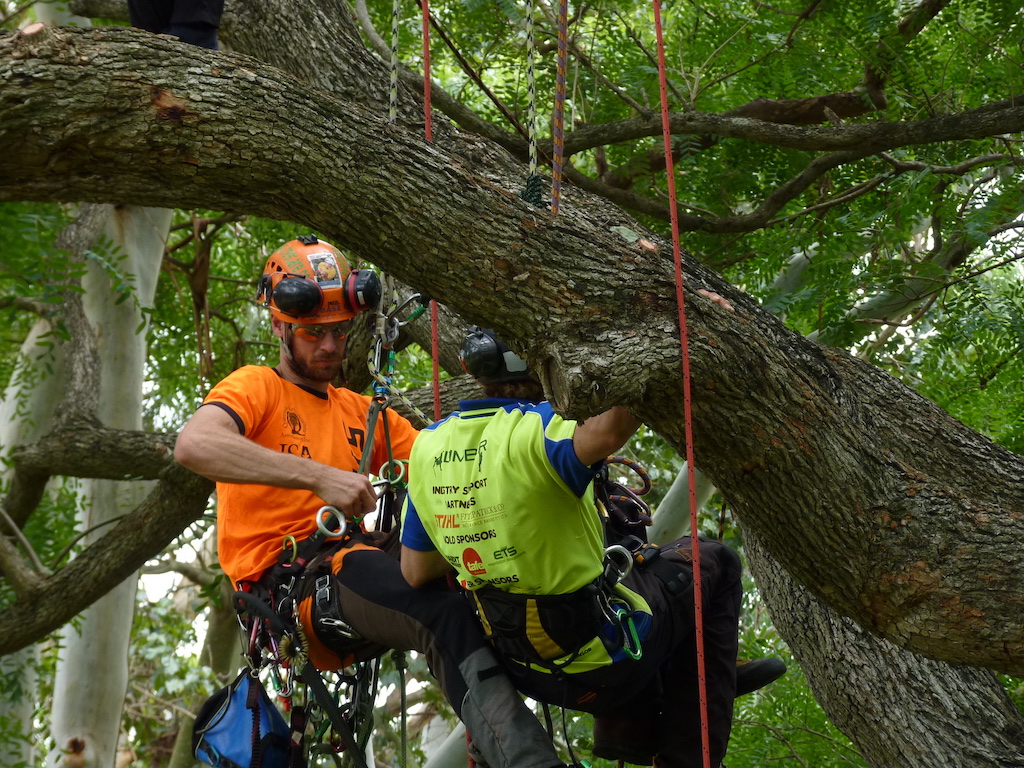
They use rigging to manage direction, speed, and impact. A typical setup uses an anchor point in the tree, a rigging rope through a pulley, and a friction device on the ground so the crew can lower pieces smoothly.
They also use specific cutting methods to prevent tearing and to keep sections stable as they detach. For large wood, they may “negative rig” pieces below the anchor point, carefully managing shock load and swing radius.
How do they deal with storm-damaged or structurally unsound trees?
They adjust the plan to account for unpredictable timber and hidden failures. Storm damage can leave hanging limbs, split trunks, and uprooted root plates, all of which can move suddenly when tension is released.
They often prioritise making the site safe first by removing suspended hazards and reducing canopy weight. They may then dismantle the remainder using conservative rigging, or bring in machinery if the tree cannot be safely climbed.
What happens to the stump, roots, and debris afterwards?
They typically offer options rather than a one-size-fits-all finish. Debris is usually chipped and hauled away, or sometimes left as mulch if the client wants it and the material is suitable.
For the stump, they may cut it low to ground level or grind it below the surface so the area can be levelled and replanted. Root issues depend on the site, but stump grinding is often the practical step when the goal is to prevent regrowth and free up space.
How do they protect nearby gardens, paths, and structures during the job?
They manage impacts by controlling drop zones, using lowering techniques, and staging debris removal. Where needed, they may use ground protection such as boards to reduce rutting on lawns and to protect pavers from heavy loads.
They also plan how lorries and chippers will access the site to avoid damaging driveways or edging. Good operators keep the worksite organised so there is less dragging, less mess, and fewer accidents.
How long does removing a large or dangerous tree usually take?
It depends on access and complexity, but professional teams usually plan the job around setup time, dismantling time, and cleanup. A straightforward removal with good access might be completed in a day, while tight-access rigging, crane work, or multiple hazard trees can extend the schedule.
They typically provide an estimate after inspection because the safest method is not always obvious from photos alone.
What should they recommend if removal isn’t the only option?
They may recommend pruning, weight reduction, bracing, or ongoing risk management if the tree can be retained safely. Removal is common when the tree is dead, failing, severely compromised, or unsuitable for its location, but a good service will outline alternatives when appropriate.
For clients, the practical takeaway is that large-tree work is about control. The best outcomes usually come from a clear plan, the right equipment, and a method that prioritises safety over speed.
FAQs (Frequently Asked Questions)
What defines a tree as ‘large’ or ‘dangerous’ in Sydney?
A tree is considered dangerous if its failure could realistically harm people or cause major damage due to factors like height, weight, decay, storm damage, pest issues, root instability, or heavy leaning over structures. ‘Large’ typically refers to trees with a canopy or trunk size too big to be safely felled in one piece, especially in built-up areas where surrounding space limits safe removal.
How do professional tree removal services assess risk before cutting down a tree?
They conduct a thorough site inspection to identify potential failure points and hazards by checking the trunk, major unions, canopy weight distribution, visible decay, cavities, deadwood, fungal signs, root plate movement, and wind reaction. They also evaluate what could be damaged if parts of the tree fall, such as roofs, vehicles, sheds, glass, pools, gardens, and access ways. This assessment informs the removal method, crew size, and rigging equipment used.
Are there legal or council restrictions for tree removal in Sydney?
Yes. Sydney councils may have regulations regarding protected species, significant trees, heritage zones, and vegetation management. Professional services typically verify if approvals are required by providing tree details and reasons for removal. When permits are necessary, they assist with documentation including photos and arborist-style assessment summaries to comply with local laws.
Why is controlled dismantling preferred over felling large or hazardous trees in one go?
Straight felling is avoided when drop zones are limited or the tree’s condition poses risks such as unpredictable limb shedding or twisting due to decay or storm damage. Controlled dismantling involves removing the tree in smaller pieces lowered carefully to the ground using rigging systems. This method reduces impact forces and protects nearby roofs, fences, gardens, and structures from damage.
What specialised equipment is used for removing large or dangerous trees?
Professional arborists use climbing ropes, harnesses, flip lines, rigging ropes, pulleys, lowering devices like friction bollards, slings, karabiners, and various saws tailored for different cuts. For ground operations they employ wood chippers, stump grinders and trucks. In challenging locations cranes or elevated work platforms may be used to safely remove sections without causing harm.
How do professionals safely remove trees near homes or tight boundaries?
They employ sectional dismantling with rigging techniques that involve cutting limbs and trunk segments piece by piece. Cut sections are either dropped into a safe zone or lowered under tension using ropes controlled by ground crews managing friction devices. Exclusion zones are established to keep people clear of suspended loads ensuring a controlled and predictable removal process even in confined spaces.