
The Critical Difference in Palm Tree Removal and Cleaning
Palm trees are an iconic part of the Australian landscape, from the coastal stretches of Queensland to suburban backyards in Perth. However, when it comes to maintenance, many property owners make the mistake of treating them like standard deciduous trees. This misconception can lead to property damage, severe injury, or even fatalities.
Palm tree removal and cleaning is a highly specialized niche within arboriculture. Unlike traditional hardwoods, palms are monocots (closer to grass or lilies than oaks), meaning their structural biology requires a completely different approach to extraction. Whether you are dealing with a towering Cocos palm or a spike-laden Phoenix Canariensis, understanding why specialist extraction is different—and significantly more dangerous—is essential for any homeowner or site manager.
Why Palm Trees Aren’t “Just Another Tree”
To understand the complexity of palm tree extraction, we must first look at their unique biological composition and how it affects the removal process.
Fibrous Trunk Structure
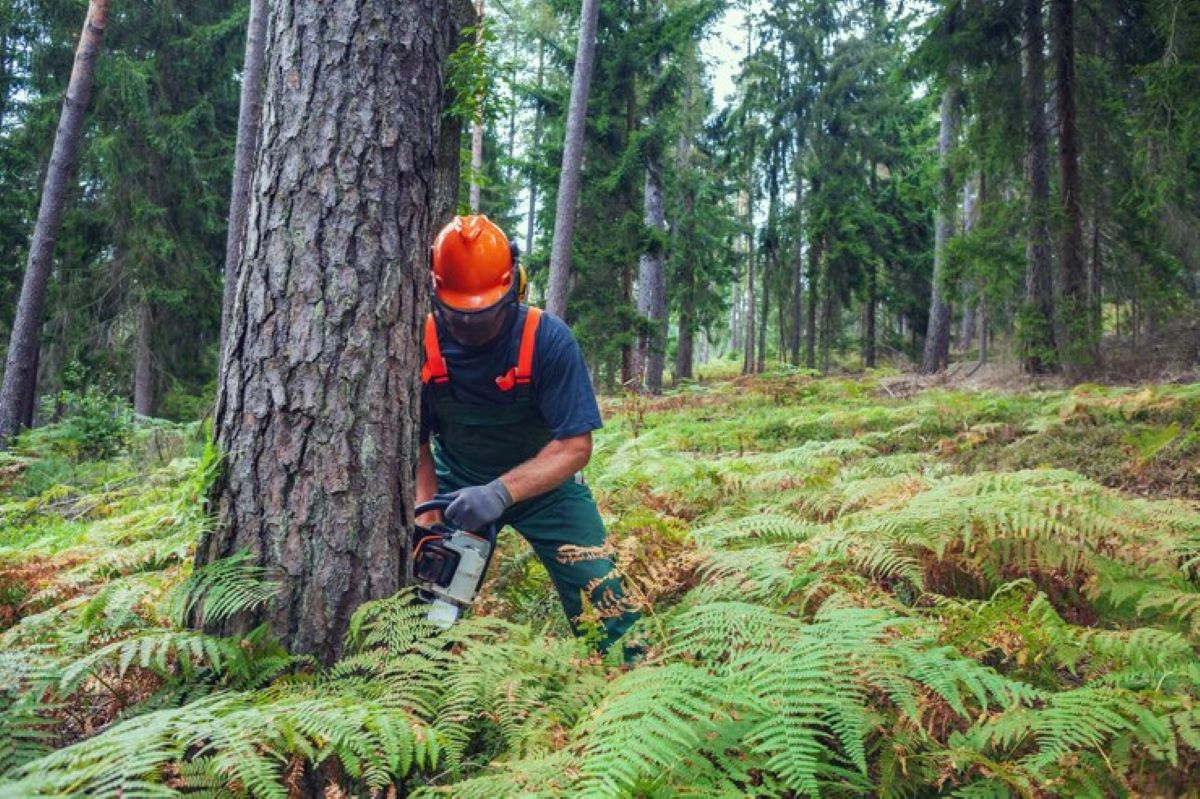
Traditional trees have rings of solid wood. Palm trunks consist of a dense, fibrous mass of vascular bundles. This “hairy” texture is incredibly tough on standard chainsaws, often dulling blades in minutes or causing the saw to “bind” and kick back dangerously.
The Weight Factor
Because palms have a high water content stored in their fibrous trunks, they are deceptively heavy. A medium-sized palm can weigh significantly more than a hardwood tree of the same height. This puts immense pressure on rigging equipment and requires precise calculations to ensure the tree doesn’t collapse during a sectional removal.
The Crown Hazard
The “head” of the palm—the crown—is where the most immediate danger lies. Dead fronds (the “skirt”) can weigh hundreds of kilograms. If these are dislodged during cleaning or removal, they can fall with enough force to crush a worker or a nearby structure.
Specialist Equipment: Spikes vs. Lifts
One of the primary reasons palm tree cleaning and removal is considered a specialist trade is the equipment required to do the job safely and effectively.
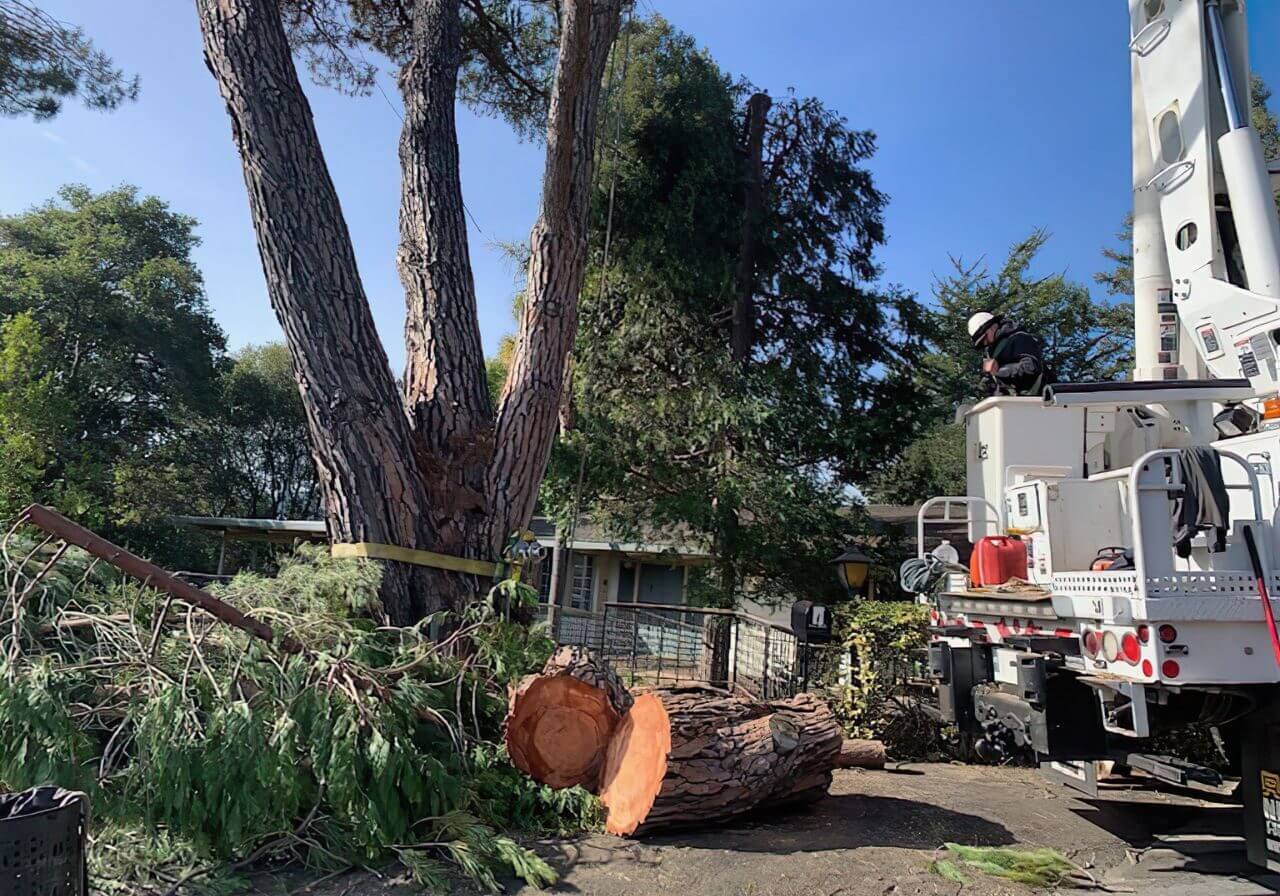
The Use of Elevating Work Platforms (EWPs)
For palm tree cleaning (shaving the trunk and removing dead fronds), professionals rarely use climbing spikes.
- Why? Spikes leave permanent wounds in the trunk. Because palms cannot heal like “normal” trees (they don’t grow new bark over wounds), these holes become entry points for pests and diseases like Ganoderma.
- The Solution: Specialists use Cherry Pickers or Spider Lifts to reach the crown without damaging the living tissue of the tree.
Specialist Spikes for Removal
When the goal is total palm tree removal, climbing spikes are used because the tree’s future health is no longer a concern. However, even these spikes must be designed for fibrous trunks to prevent the climber from “slipping” down the smooth or shedding surface of certain species.
Waste Disposal and Mulching
You cannot simply toss palm debris into a standard wood chipper. The fibrous nature of the fronds and trunk will wrap around the drum of a low-capacity chipper, causing mechanical failure. Professionals use high-torque, industrial-grade chippers specifically rated for fibrous material.
The Hidden Dangers of Specialist Palm Extraction
Safety isn’t just a buzzword in palm maintenance; it is the difference between a successful job and a workplace tragedy.
1. Sloughing and Asphyxiation
This is the most terrifying risk in the industry. As an arborist climbs a palm to remove dead fronds, the entire “skirt” of dead material can slide down the trunk simultaneously. If the climber is positioned beneath the skirt, they can be pinned against the trunk by hundreds of kilograms of debris, leading to rapid chest compression and death by asphyxiation.
2. Biological Hazards
Australian palm species are often home to:
- Wasp Nests: Hidden deep within the fronds.
- Fungal Spores: Inhaling dust from dead palm tissue can lead to respiratory infections.
- The Spikes: Species like the Phoenix reclinata have needle-sharp thorns at the base of the fronds that can easily pierce thick leather gloves, often carrying bacteria that cause localized infections.
3. Structural Instability
Palms are prone to “sudden crown drop” or “trunk failure” if they have been infected by weevils or rot. A tree that looks healthy from the ground may be hollow or soft at the top, making it a ticking time bomb for anyone attempting to climb it.
Comparing Removal Methods
| Feature | Standard Tree Removal | Specialist Palm Removal |
| Tooling | Standard Chainsaws | High-Clearance, Sharp-Tooth Saws |
| Access | Climbing / Rigging | EWP / Cherry Picker (Preferred) |
| Debris | Hardwood Mulch (High Value) | Fibrous Waste (Specialist Disposal) |
| Risk Profile | Falling Limbs | Asphyxiation / Crown Drop |
| Regrowth | Potential Stump Sprouts | No Regrowth from Stumps |
The Step-by-Step Specialist Removal Process
When you hire a professional for palm tree removal, they follow a rigid framework to mitigate the risks mentioned above.
- Site Assessment: Checking for power lines, nearby structures, and the structural integrity of the palm base.
- Exclusion Zones: Establishing a wide radius around the tree to protect the public from falling fronds or “nuts.”
- Sectional Dismantling: The arborist begins by removing the lowest fronds and seed pods (the “cleaning” phase) to reduce weight and clear the work area.
- The “Shave”: For specific aesthetic removals or cleaning, the trunk is shaved to remove the “stubs” of old fronds.
- Sectional Felling: The trunk is cut into manageable “logs” or “drums” from the top down. These are lowered via ropes if space is tight.
- Stump Grinding: Because palm roots are a dense mat rather than deep taproots, specialist grinders are needed to turn the fibrous base into compostable material.
Why Professional Cleaning Enhances Property Value
If you aren’t removing the tree, palm tree cleaning (also known as “skinning” or “shaving”) is an essential maintenance task.
- Pest Mitigation: Thick skirts of dead fronds are breeding grounds for rats, cockroaches, and snakes.
- Fire Safety: Dead palm material is highly flammable. In bushfire-prone areas of Australia, unmaintained palms act as “fire torches” that can carry embers to the roof of your home.
- Aesthetics: A cleaned palm with a smooth, “shaved” trunk looks significantly more high-end and can increase the curb appeal of a coastal or tropical property.
Common Mistakes to Avoid
- Hiring a “Lawn Mower” for a Palm Job: General gardeners often lack the insurance and heavy-duty equipment required for high-access palm work.
- Ignoring “The Nut” Hazard: Falling seed pods can weigh 20kg+ and drop without warning. If you see seeds forming, it’s time to call a specialist.
- DIY Climbing: Never attempt to climb a palm with a standard ladder. Ladders are notoriously unstable against the curved, tapering surface of a palm trunk.
Internal Linking Suggestions (Anchor Text)
- professional arboricultural services Australia
- emergency tree removal safety protocols
- the cost of stump grinding vs. removal
- how to identify diseased palm trees
External Authoritative References
- Safe Work Australia: Search for “Guide to managing risks of tree trimming and removal work.”
- International Society of Arboriculture (ISA): Look for their “Palm Pruning and Maintenance Standards.”
Frequently Asked Questions
Why is palm tree removal more expensive than other trees?
The cost is higher due to the specialized disposal fees for fibrous waste, the need for heavy-duty machinery (like cherry pickers), and the increased insurance premiums required for high-risk palm extraction.
Can I leave the palm stump in the ground?
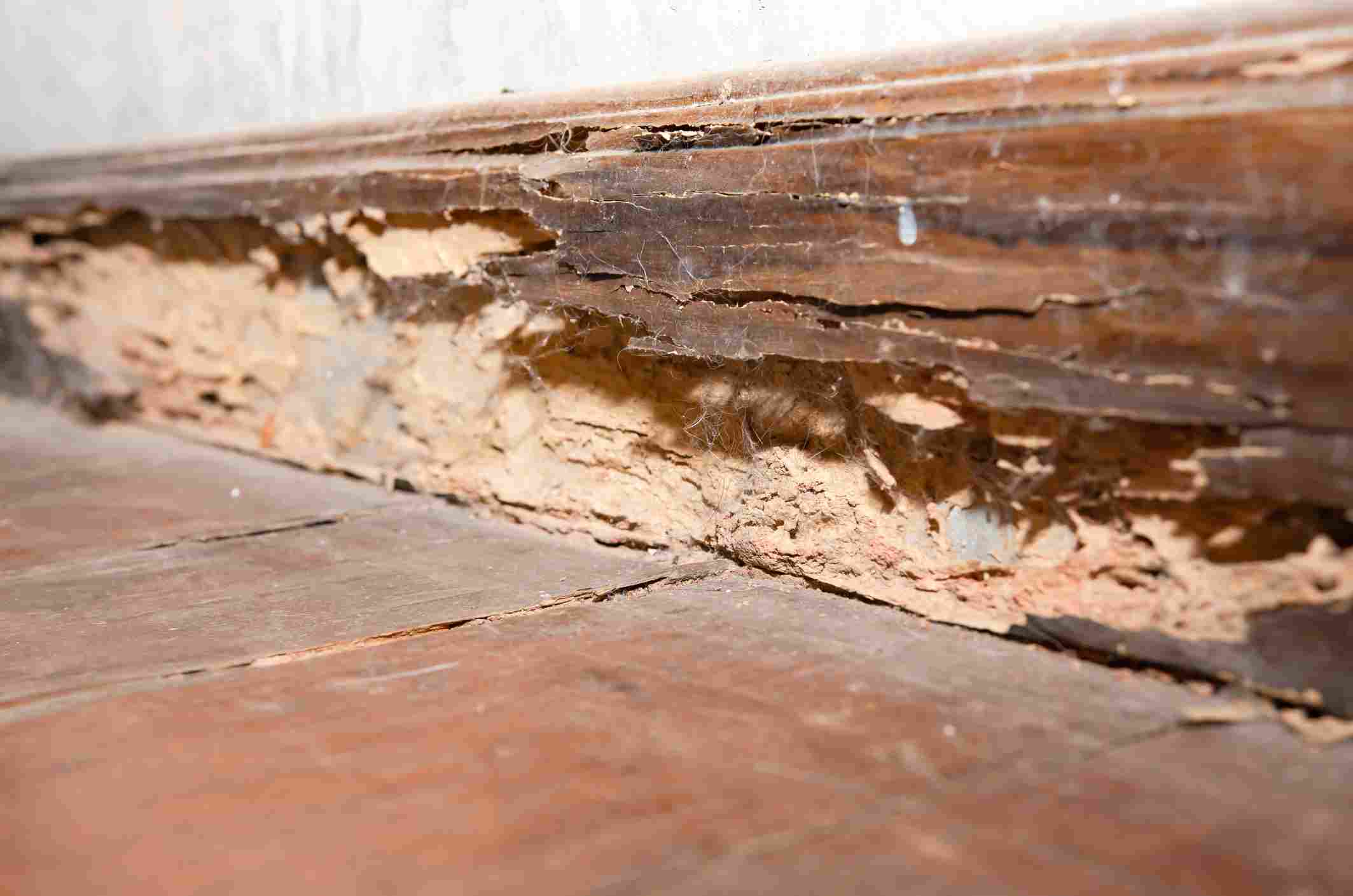
While you can, it is not recommended. Palm stumps are highly absorbent and will hold moisture, becoming a prime nesting site for termites as the fibrous interior slowly rots.
How often should palm trees be cleaned?
Most Australian species require professional cleaning once every 6 to 12 months to prevent seed pod formation and the buildup of dead fronds.
Is a permit required for palm removal in Australia?
This varies by local council. Many councils classify certain palms (like the Cocos palm) as environmental weeds, allowing removal without a permit, while others protect native species. Always check your local LEP (Local Environmental Plan).
What happens if a palm tree is “topped”?
Unlike hardwoods, if you cut the “heart” or the growing tip out of the top of a palm, the tree will die. There is no way to reduce the height of a palm without killing it.
Conclusion: Prioritize Safety Over Savings
Palm tree removal and cleaning is not a DIY task, nor is it a job for an amateur. The unique biological structure of the palm—combined with the extreme weight of the crown and the risk of sloughing—makes it one of the most dangerous tasks in the landscaping industry.
By choosing a specialist for your palm tree extraction, you ensure that the correct equipment is used, your property remains undamaged, and the dangerous fibrous waste is handled appropriately. Whether you are looking to clear a site for development or simply want to beautify your backyard, professional intervention is the only way to guarantee a safe and efficient outcome.