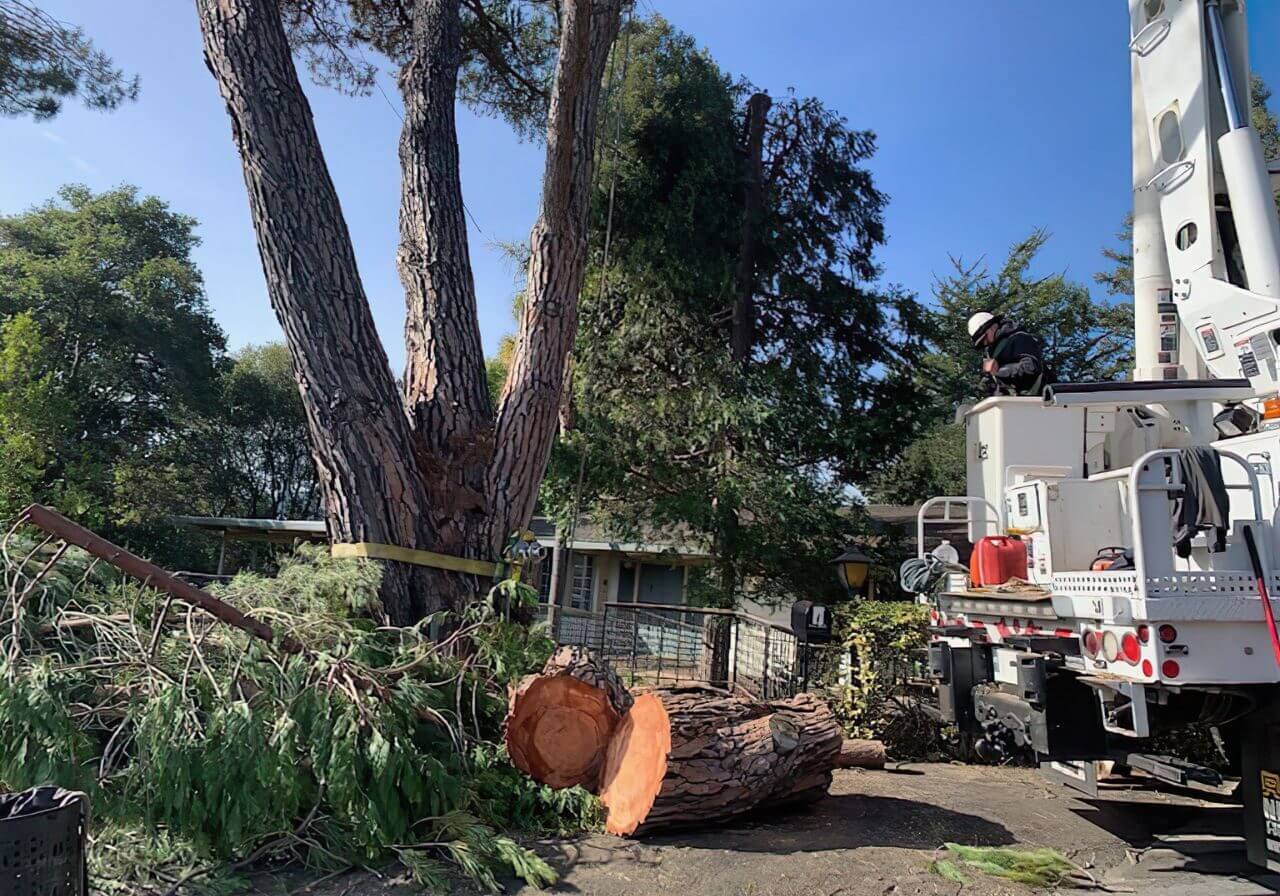

Yes. A professional tree removal service can usually respond to emergency fallen trees, clear immediate hazards, and make the site safe, often working with insurers, local authorities, or utility providers when needed. The key is choosing a company that offers true 24/7 call-outs and has the right training, equipment, and permissions.
Emergency tree removal service work is different from routine pruning. Fallen trees often involve unstable limbs, trapped tension in timber, damaged roots, and risks to buildings, roads, and power lines.
What counts as an “emergency” fallen tree situation?
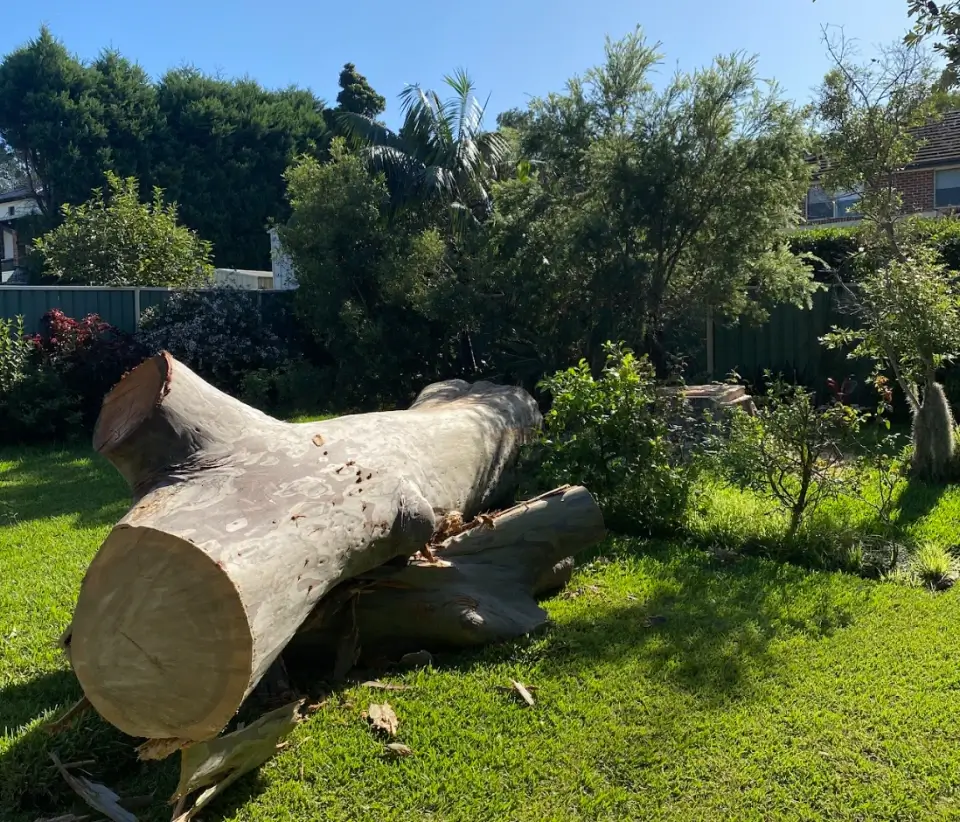
An emergency is any fallen or partially fallen tree that creates an immediate risk to people, property, or access. This includes trees blocking a driveway or road, branches resting on a roof, or a split trunk leaning towards a home.
It can also include storm-damaged trees that have not fully fallen but are unsafe. A good service will treat “hangers” and cracked stems as high priority because they can drop without warning. Click here to get how tree removal services Sydney handle large or dangerous trees.
Can a tree removal service attend quickly, and what affects response times?
Many can attend quickly, but response time depends on severity, location, weather, and demand after storms. Urban areas may have faster coverage, while rural call-outs can take longer due to travel and access.
The best services triage calls. If a tree is on a house, blocking a public road, or creating risk to the public, they will usually prioritise it over a garden-only obstruction.
What should they do first when they arrive on site?
They should make the area safe before cutting anything. That usually means establishing an exclusion zone, checking for overhead hazards, and assessing whether the tree is under tension or pinned against structures.
They should then plan the safest dismantling method. In emergencies, the goal is often stabilisation and hazard reduction first, then full removal and tidy-up once risk is controlled.
Can they remove a tree that has fallen onto a house?
Often, yes. They can dismantle the tree in sections to reduce load on the roof and prevent further damage, sometimes using rigging systems or a crane if access allows.
They should also identify secondary risks, like broken rafters, fragile tiles, or branches pushing into loft spaces. If the building is structurally compromised, they may advise involving a builder or structural engineer before continuing.
What if the fallen tree is on power lines or near electricity cables?
They should not touch it. If a tree is in contact with power lines, the electricity network operator must be contacted first, and the area should be kept clear.
A reputable tree removal service will refuse to proceed until the lines are confirmed isolated and safe. They may coordinate with the utility provider and return once permission is given.
Do they handle trees blocking roads, pavements, or public land?
Sometimes, but responsibility can fall to the local council or highways authority depending on where the tree lies. If it is blocking a public highway, emergency services or highways teams may get involved first.
A tree removal service can still help if instructed by the responsible authority or landowner. They may also be hired to clear private access routes, such as shared drives or estate roads.
Do they need special qualifications or insurance for emergency removals?
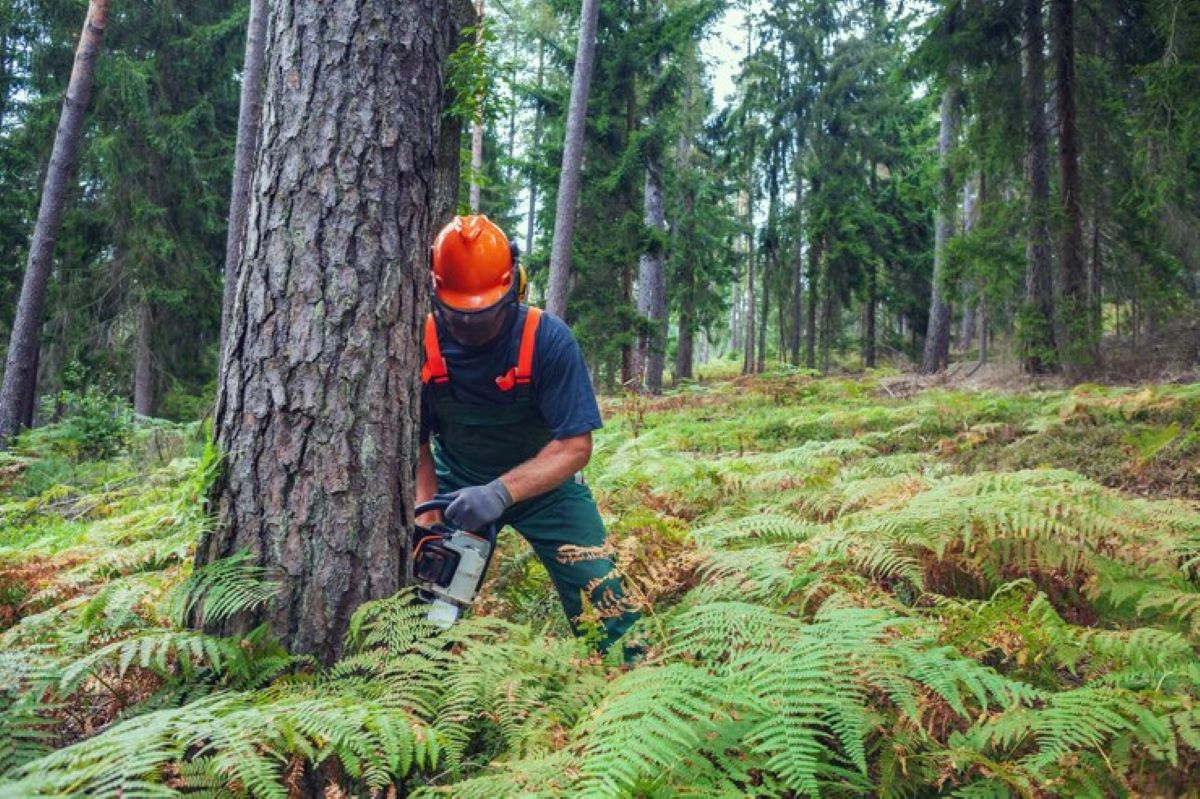
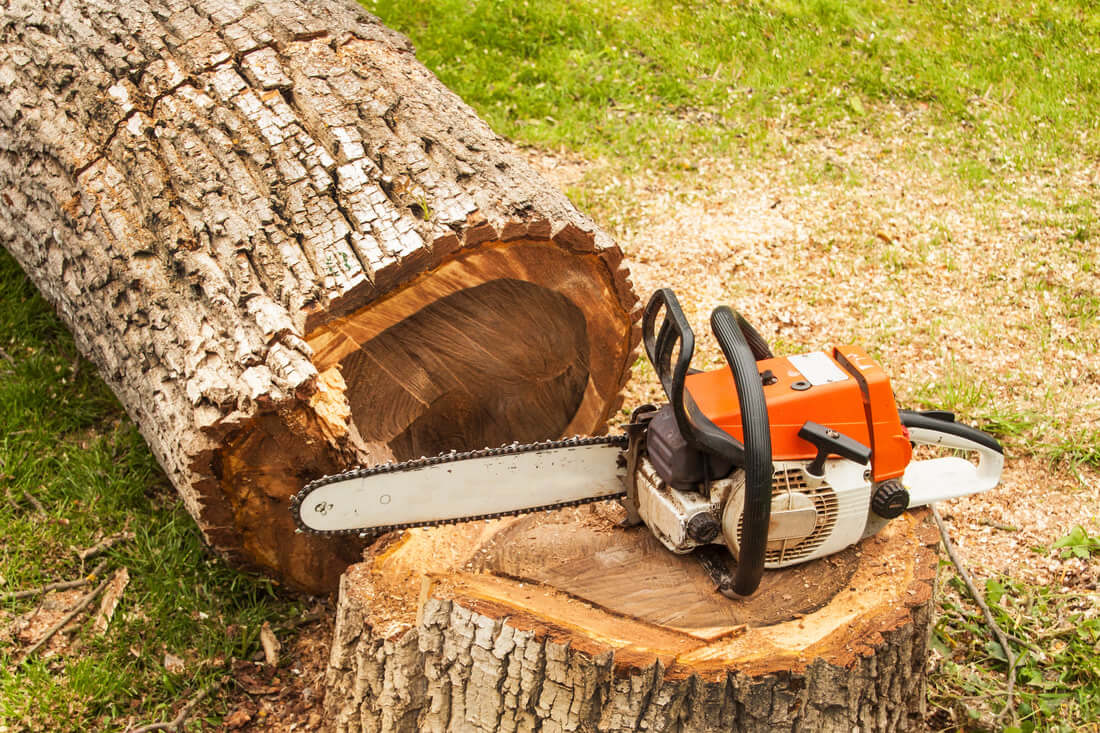
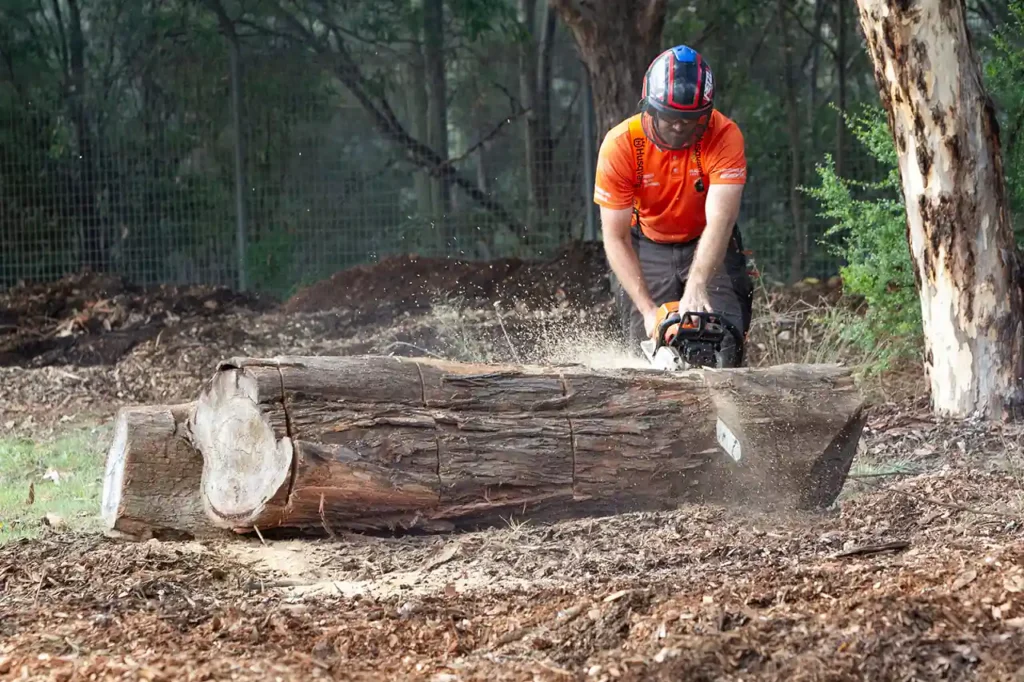
They should have proper chainsaw and aerial rescue training, plus public liability insurance suitable for tree work. For complex emergency work, they may also need traffic management capability, lifting equipment training, and experience with rigging. Learn more about traffic management and safety on site.
They should be willing to share proof of insurance and explain how they will control risks on site. If they cannot clearly describe their safety process, they are not a safe choice.
Can they deal with uprooted trees and damaged root plates?
Yes, and they should treat them as unstable. Uprooted trees can “spring” as the root plate shifts, especially when the stem is cut and tension changes.
A competent crew will assess the direction of movement, ground saturation, and whether the root plate threatens nearby structures. They may recommend partial dismantling first, then dealing with the root mass and stump.
Will they remove the waste and leave the site tidy?
Most can remove all timber, branches, and debris, but it depends on what is agreed. In emergencies, some jobs start as “make safe” only, with full clearance scheduled later.
They can usually offer options: logs left on site, chipping into mulch, or full removal. They should confirm what is included in the quote, especially where access limits chipper or lorry positioning.
Can they help with insurance claims and documentation?
Many can. They may provide photos, a written description of the damage, and an itemised invoice that insurers typically require.
They should not promise claim approval, but they can help the process by documenting the hazard and the necessity of emergency works. If possible, they may advise the customer to take their own photos before any cutting begins.
What should a customer do while waiting for the emergency call-out?
They should keep people away from the tree and any hanging branches, and avoid entering damaged buildings if there is structural risk. They should not attempt to cut or move sections with a chainsaw without training.
If power lines are involved, they should treat the area as live and call the network operator immediately. If the tree blocks a public road and creates danger, they should contact the local authority or emergency services.
How can they choose the right emergency tree removal service?
They should look for a service that clearly offers emergency response, provides proof of insurance, and can explain their safety and access plan. They should be cautious of anyone offering instant cutting without a site assessment.
A reliable company will ask the right questions on the phone: location, what the tree is touching, whether utilities are involved, and whether access is safe. Clear communication and safe decision-making matter more than the fastest quote.
FAQs (Frequently Asked Questions)
What qualifies as an emergency fallen tree situation requiring immediate attention?
An emergency fallen tree situation is any fallen or partially fallen tree that poses an immediate risk to people, property, or access. This includes trees blocking driveways or roads, branches resting on roofs, split trunks leaning towards homes, and storm-damaged trees with unstable limbs or cracked stems that could fall without warning.
Can professional tree removal services respond quickly to emergency fallen trees?
Yes, many professional tree removal services offer rapid response times, often operating 24/7. However, response times depend on factors such as the severity of the situation, location (urban areas usually have faster coverage), weather conditions, and demand following storms. Services typically prioritise emergencies involving public risk over garden-only obstructions.
What safety measures do tree removal experts take upon arriving at an emergency site?
Upon arrival, experts establish exclusion zones to keep people safe, assess overhead hazards and tension in the tree, and evaluate risks to nearby structures. Their primary goal is stabilising the hazard before proceeding with dismantling. They plan the safest method to remove or secure the tree to prevent further damage or injury.
Are tree removal companies equipped to handle trees that have fallen onto houses?
Often they are. Professionals can dismantle trees in sections using rigging systems or cranes if accessible, reducing load on roofs and preventing further damage. They also assess secondary risks like broken rafters or fragile tiles and may recommend involving structural engineers if the building is compromised.
What should be done if a fallen tree is in contact with power lines?
Under no circumstances should anyone touch a tree in contact with power lines. The electricity network operator must be contacted immediately to isolate power safely. Tree removal services will refuse to proceed until utilities confirm it’s safe and may coordinate with them before returning to remove the tree.
Do emergency tree removal services assist with insurance claims related to fallen trees?
Many reputable services help by providing photographic evidence, detailed descriptions of damage, and itemised invoices required by insurers. While they cannot guarantee claim approval, their documentation supports the claim process. Customers are also advised to take their own photos before any work begins for additional evidence.